Beyond Toothache: Recognizing the 5 Silent Signs of a True Dental Emergency
September 22, 2026

You wake up feeling a little off. Maybe your jaw’s tight, your gums are tender, or your crown feels loose. But there’s no throbbing pain, so you brush it off. After all, if it's not a sharp toothache, it can't be an emergency... right?
Not exactly. Dental emergencies aren’t always loud and painful. In fact, some of the most serious oral health issues begin quietly, making them easy to ignore until it's too late. Understanding the silent but urgent signs your mouth may be showing can prevent long-term damage, expensive procedures, and unexpected visits to the ER.
If you're unsure whether your symptoms warrant immediate dental attention, this guide will help you identify the top five silent signs of a true dental emergency and when it's time to call Dr. Gardner Wade at Gardner Wade DDS, LLC in Baton Rouge, LA.
Why “No Pain” Doesn’t Always Mean “No Problem”
Dental emergencies aren't always marked by the kind of pain that stops you in your tracks. Some symptoms are subtle but can be just as threatening to your oral health. Ignoring these early signs can lead to infection, tooth loss, or systemic health issues. Timely attention doesn’t just resolve the problem. Immediate emergency care often saves teeth, time, and money.
1. A Cracked Tooth That Doesn’t Hurt (Yet)
A cracked or chipped tooth, especially if it's not painful, may seem like a cosmetic issue. But beneath the surface, cracks can expose the inner pulp of the tooth to bacteria and lead to infection. If left unchecked, this could result in an abscess or require a root canal or tooth extraction.
Red Flags to Watch For:
- Visible lines or fractures in the enamel
- Sensitivity to hot or cold foods
- A “gritty” or rough texture when running your tongue over the tooth
2. Loose Dental Work
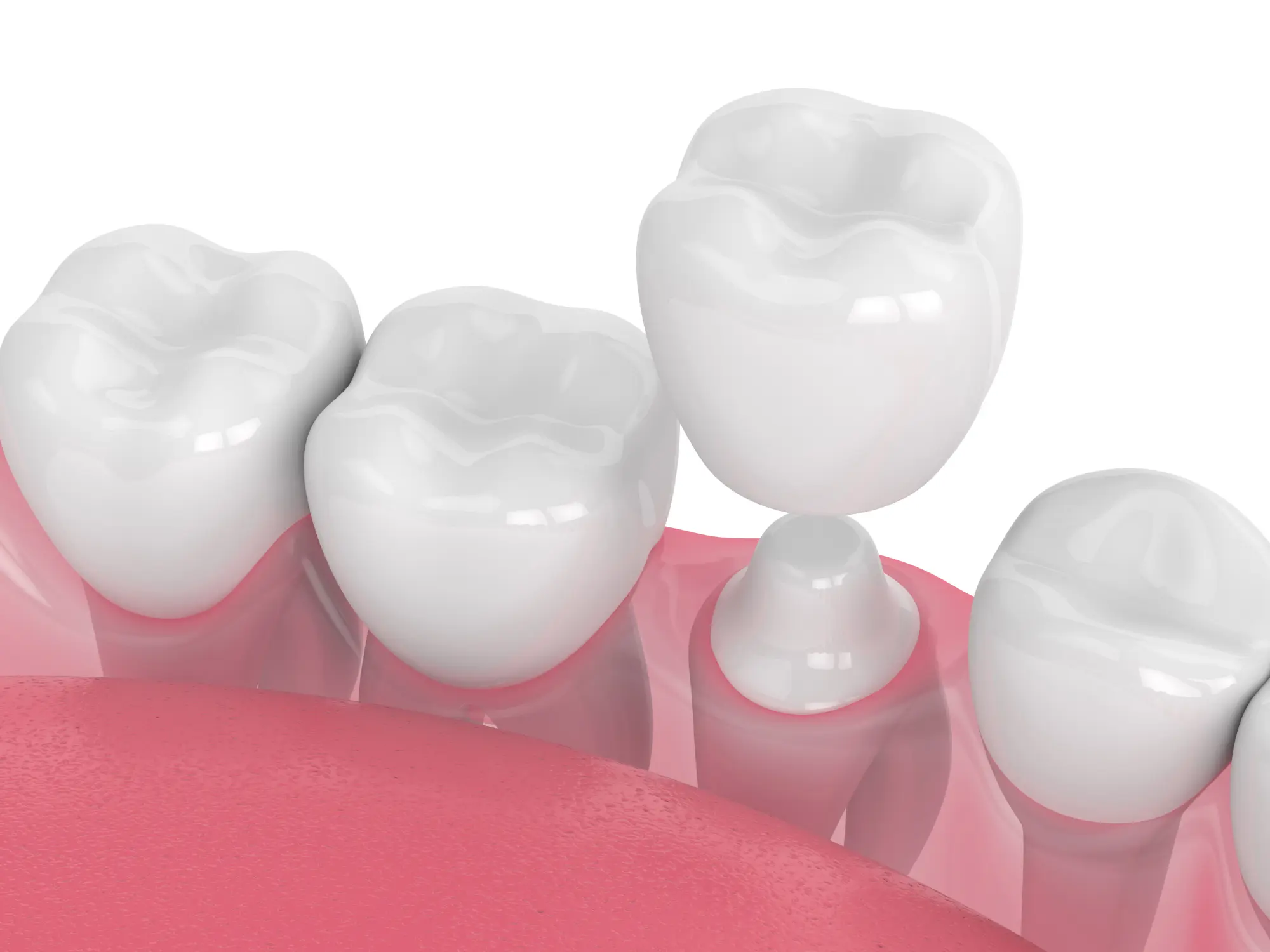
If a crown, bridge, or filling feels unstable, that’s a dental emergency, even if you’re not in pain. Dental restorations are made to protect compromised teeth. Once they shift or detach, they expose the tooth underneath to bacteria, decay, or structural failure.
You should not attempt to temporarily reattach a crown at home or wait for your next checkup. Fast professional treatment at Gardner Wade DDS, LLC helps avoid more invasive procedures down the road.
Why Prompt Care Matters:
- Unstable dental work can lead to infection or decay
- Swallowing a loose restoration poses a choking risk
- Restoring the piece quickly can often prevent replacement
3. Swollen or Bleeding Gums
Gum irritation may seem like a minor annoyance, but persistent redness, swelling, or bleeding could point to advanced gum disease, which is a leading cause of tooth loss.
Gum disease often progresses silently, causing little discomfort in early stages. But left untreated, it can destroy the supporting structures of your teeth. Swollen or bleeding gums should always be evaluated by a dentist promptly.
Signs Your Gums Need Urgent Attention:
- Persistent bleeding when brushing or flossing
- Bad breath or altered taste in the mouth
- Loose teeth or gum recession
4. Numbness in the Mouth or Jaw
If you've recently experienced dental trauma or had a procedure, numbness in the mouth or jaw that's lingering could be a signal that nerve damage or a deep infection is present. A lack of feeling, unlike pain, is often overlooked, but it may be the body's way of signaling significant structural or neurological concern.
If your lip, tongue, or jaw remains numb more than a few hours after local anesthesia, or if the feeling develops unexpectedly out of nowhere, you should contact your dentist immediately.
What It Could Indicate:
- Infection near a nerve root
- Compromised dental nerve function
- Undiagnosed trauma or fracture
5. A Lingering Bad Taste or Odor in the Mouth
An ongoing foul taste or odor, even with regular brushing and flossing, could point to an invisible infection brewing beneath the surface. Often caused by abscesses, deep decay, or trapped food particles, this symptom suggests the presence of harmful bacteria that continue to reproduce unchecked.
It's not just about discomfort or embarrassment. Oral infections can spread to the bloodstream, risking major systemic complications. Immediate dental intervention is crucial to target the source and stop the progression.
Watch for These Clues:
- A metallic or sour taste that doesn’t go away
- Persistent mouth odor despite good hygiene
- Visible pus or swelling near the affected tooth
When to Call a Dentist Immediately
If you experience any of the above symptoms, even without pain, contact a dental professional without delay. At Gardner Wade DDS, LLC, patients receive same-day emergency care when time is critical.
Dr. Gardner Wade uses advanced diagnostic technology and years of clinical experience to catch hidden issues before they escalate. Your comfort and long-term health are our priorities, and our Baton Rouge location makes it easy to reach expert help when it matters most.
Tips to Prevent a Silent Emergency
Although not all emergencies are preventable, certain habits can reduce your risk:
- Visit your dentist every six months for routine exams and x-rays
- Use a nightguard if you grind your teeth
- Address minor dental changes promptly
- Avoid chewing ice or hard foods that can crack enamel
- Wear a mouthguard during sports activities
Regular preventive care also builds a relationship with your dentist. This is important for peace of mind when you’re unsure whether a symptom is urgent or not.
Your Smile’s Health Is Too Important to Wait
Ignoring the signs of a silent dental emergency won’t make the issue go away. In fact, it only makes treatment harder and more expensive in the long run. Listen to what your mouth is telling you, even if it’s whispering instead of shouting.
If you’re noticing unusual changes in your teeth, gums, or bite, don’t risk it. Call Gardner Wade DDS, LLC today at (225) 766-6100 to schedule your emergency dental consultation. Located right here in Baton Rouge, LA, Dr. Gardner Wade and his dedicated team are here to protect your smile before it becomes an emergency you can’t ignore.